JOB Training
Discover your strengths. Build real-world skills. Grow your independence.
By age twenty-two, all young adults with disabilities must graduate and leave public school. What comes next? At Pepper Tree Farm, entering adulthood is about discovering interests, building confidence, developing practical skills, and creating meaningful opportunities and friendships while staying connected to the outdoors. Whether someone dreams of working with animals, helping visitors, growing plants into food, creating art, or becoming a leader for younger kids, we are commited to finding and developing the strengths of every participant.
Westside Regional Center, which serves 9,000 children and adults with disabilities, will operate our job training program. WRC’s mission is "to empower this population, and its families, to access services that help create a quality of life comparable to persons without disabilities.” This is an incredibly tall order and one that Westside Regional Center achieves every day.

find your strengths at the Farm!
-
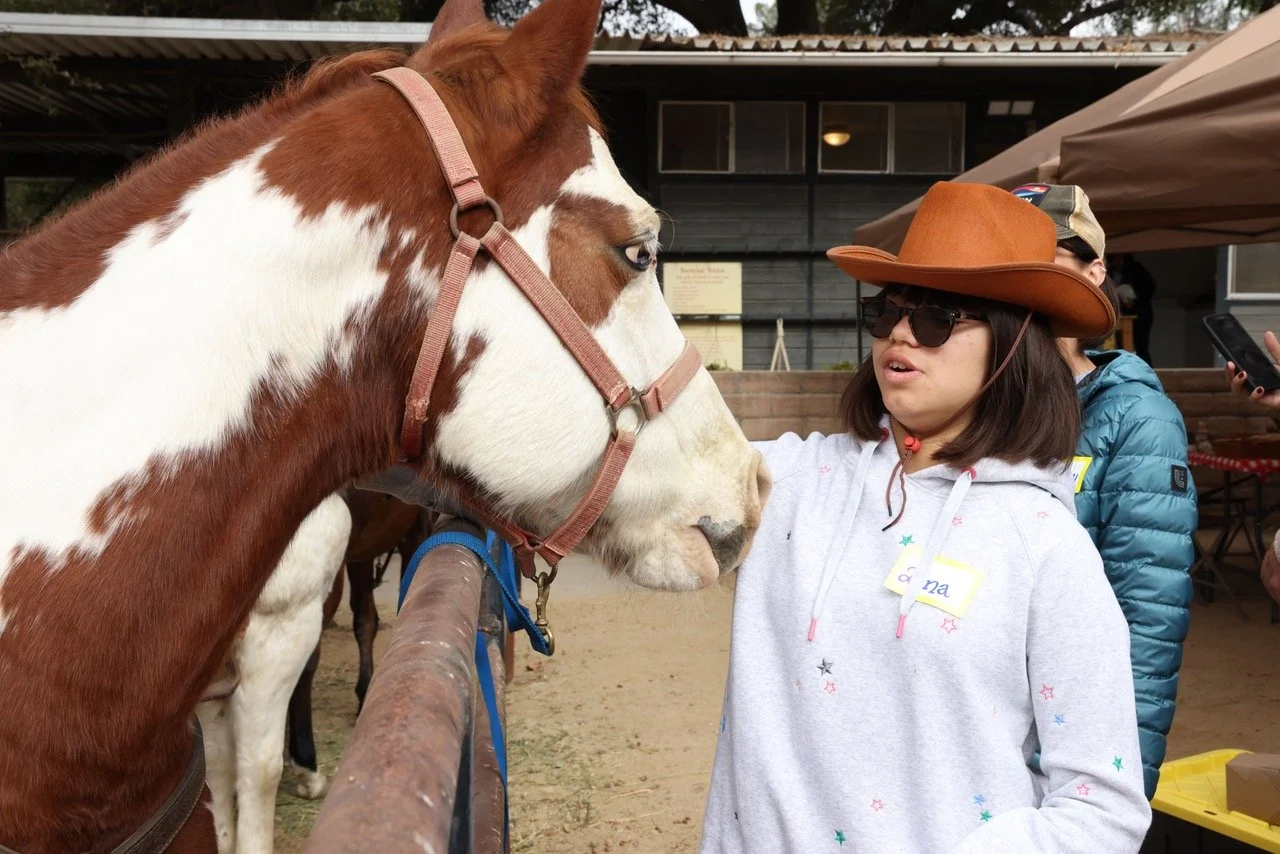
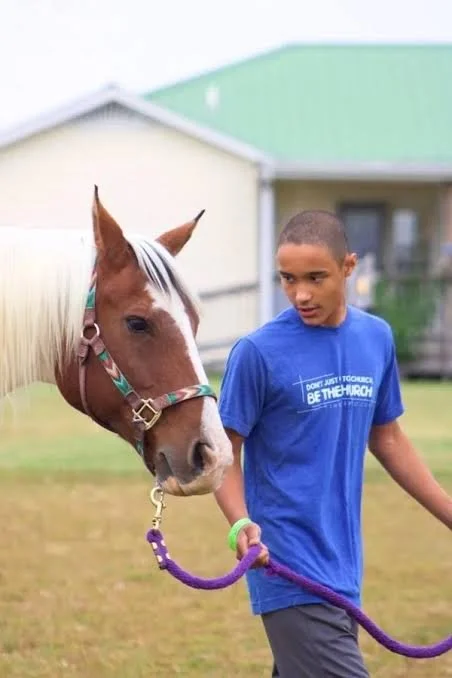
Many participants discover a love of working with animals. Under the guidance of staff and volunteers, they learn animal care skills such as feeding, grooming, preparing enrichment activities, cleaning habitats, observing animal behavior, and recognizing when an animal needs attention.
Along the way, participants build responsibility, confidence, teamwork, and problem-solving skills while developing meaningful relationships with the animals they help care for.
-
Every farm relies on organization and teamwork, and participants become an important part of that process. They practice real workplace skills by organizing supplies, preparing spaces for activities, stocking materials, setting up equipment, and helping maintain welcoming environments for animals and visitors.
These experiences build executive functioning, organization, communication, time management, and pride in meaningful work.
-
Participants help care for the farm's beautiful outdoor spaces while learning valuable horticultural and property care skills. Depending on interests and goals, activities may include planting, watering, harvesting, maintaining gardens, checking fences, organizing tools, caring for walking paths, or preparing spaces for programs and events.
Working outdoors encourages problem-solving, teamwork, environmental stewardship, and a connection to nature while building practical job skills.
-
Job readiness extends beyond technical skills. Participants have opportunities to welcome guests, assist during events, mentor younger visitors when appropriate, practice communication, and build self-advocacy and leadership skills.
These experiences help participants develop confidence, independence, and the social skills that support success in employment, volunteering, education, and community life.
-
No two people have the same goals—and neither do our job training experiences. We work alongside participants and families to identify strengths, interests, and aspirations, creating opportunities that are meaningful, engaging, social, and appropriately challenging.
Whether someone is preparing for volunteer work, competitive integrated employment, supported employment, or simply building greater independence, every experience is designed to foster growth, purpose, and belonging. description
"I think about the future I want for my daughter and for every young adult with disabilities. I want them to be valued for their strengths, find purpose, build confidence and friendships, and have a place where they're leading the way. That's the future Pepper Tree Farm is helping create." – Lindsay Crain, Mom, Advocate, and Pepper Tree Farm Board Member
Pepper Tree Farm provides hands-on job training that helps participants discover their strengths, build practical skills, and prepare for meaningful work in the community. For some, that path may lead to competitive integrated employment. For others, it may include supported employment, volunteer opportunities, or other individualized pathways that align with their goals, interests, and support needs.
Through experiences such as caring for animals, tending gardens and orchards, maintaining trails and outdoor spaces, preparing for events, helping welcome visitors, and assisting with office and administrative tasks, participants develop real-world workplace skills while building confidence, independence, responsibility, communication, and leadership. Every participant deserves the opportunity to contribute, grow, and experience the pride that comes from meaningful work.